

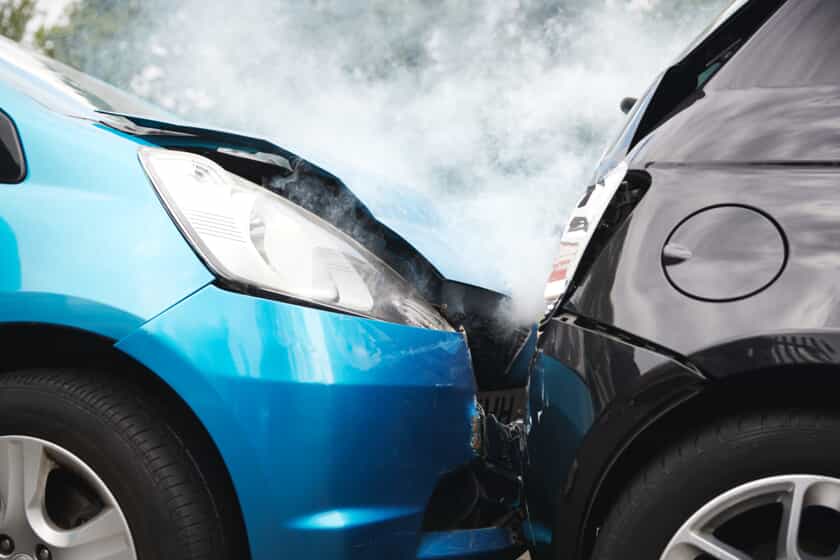
Auto insurance is probably the most likely insurance plan a person will use other than health insurance. A well-chosen plan will protect a person against the uncertainties of auto accidents both in terms of their vehicle, health, or any damage the driver may cause to other people and property as a result of an accident. However, there are nine things a person should consider before engaging their insurer. Some of these things are words that should never leave a person’s mouth and others are important things to understand about what auto insurance covers.
- You have a right to remain silent – This right not only extends to criminal liability, but insurance liability as well. If a person gets involved in an accident, say nothing in regards to culpability. Allow officers to do their job and issue a citation as they deem appropriate. It’s only natural for a person to feel a wide range of emotions, but just because a person feels they are in the clear or even at fault isn’t proof. There is no need to assume liability by saying things in the heat of the moment.
- Whiplash – this type of injury has been the source of many fraudulent claims by people so that insurance adjusters will quickly involve their in-house attorneys if they hear that word uttered. If you have neck pain, describe that to the adjuster, but seek medical attention and let the experts diagnose it.
- Intentional – Insurance companies will not pay for damage done intentionally to a car. For example, breaking a window to get retrieve keys locked inside the car is the auto owner’s sole responsibility to pay.
- Breakdown – Everyone must have their car regularly serviced and maintained to run reliably. If the car breaks down, the insurance company is not responsible to pay for the repairs.
- Okay or Fine – If involved in an accident, it is best to refrain saying you are free of any injury. Get checked out by a doctor.
- Business purpose – if a car begins to be used for a business purpose or even a ride share, inform the insurer. It may require higher premiums. If an accident occurs, they may not cover it if the nature of the accident voided the terms of the policy.
- Off-premises – if a car gets damaged while at home, but for factors outside the house the insurer will not cover the damages.
- Customizations – inform your insurer of any enhancements to the car at the time coverage is purchased. Consult with them before making any customization as they may refuse to insure the car.
- Coincidence – insurers are good at combating fraud. Attributing a loss to a coincidence will throw up a red flag with the insurer
Having trouble getting through to your insurance company about an auto injury claim? Give us a call at Zimmerman & Frachtman, P.A.. We’re available to go over your case for free.