

Self-driving automobile technology is emerging as a possible wave of the future. Major automobile manufacturers like Tesla and Toyota are developing technology to have cars become more automated, and even organizations like Apple, Google and Uber are getting in on the action. Last fall, Toyota revealed its $1 billion budget directed at researching autonomous vehicles at Stanford and MIT over the next half decade. Major studies are being conducted to test and develop these types of automobiles. HERE, Nokia’s maps business that was bought out by BMW, Audi and Daimler, includes proprietary systems related to self-driving vehicles.
Some states have already created rules and regulations to support autonomous vehicles. California, Florida and Washington, D.C. are some of the areas that have made these types of cars legal. As the technology becomes more streamlined, it brings up a wide range of legal issues. Read more about some of them below.
How will autonomous vehicles be regulated?
In general, the states make laws to control drivers and the federal government creates laws regarding vehicles. The law gets cloudy when the driver and the vehicle are one and the same. According to the National Highway Traffic Safety Administration, matters of training and licensing individuals to operate automobiles are typically granted to the states to regulate. In fact, states like California, where self-driving cars are legal, are leaving decisions about how to standardize such concerns to their motor vehicle departments. Questions are arising regarding whether people who drive autonomous vehicles will need to be specially licensed to do so or how autonomous cars will be registered.
How will fault in accidents be designated?
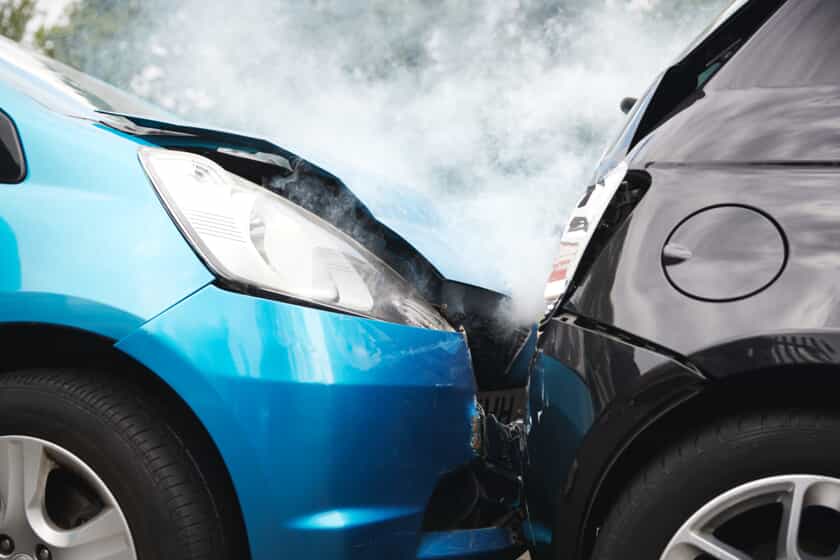
Personal injury lawsuits typically assign blame to a perpetrator. With self-driving cars, there is concern surrounding the party that is to blame. Who will be the defendant in a collision involving an autonomous vehicle? Will the manufacturer be responsible or will the fault lie with the driver? Will both be considered at fault? Can a self-driving car’s operator be considered negligent, and at what point? What measures will manufacturers have to take to make sure their vehicles are safe? Will self-driving vehicles be able to drive faster than the speed limit?
With self-driving cars, the world is approaching a new era in contemporary transportation. As the technology becomes more prevalent, current laws and regulations will have to be explored and new laws will have to be developed.