

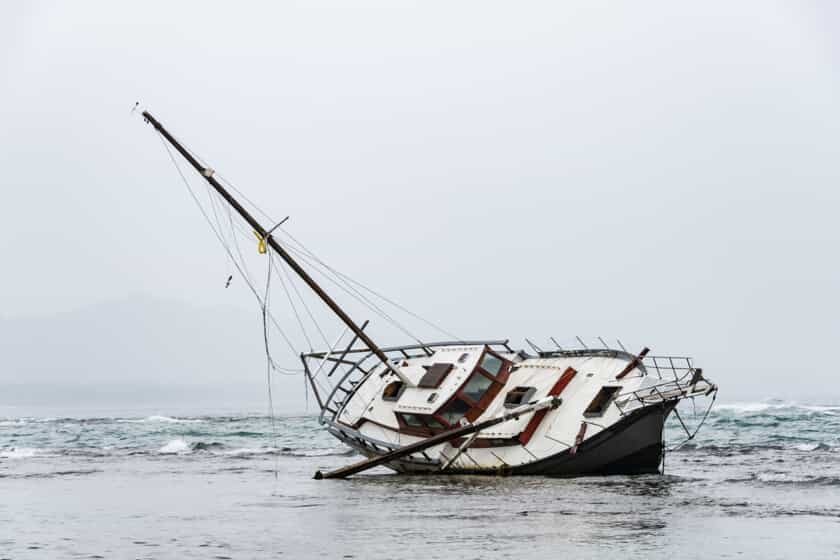
Although boating is a common recreational activity in the summer, it does pose a risk of injury.
According to the United States Coast Guard, 4,291 boating incidents occurred in 2017. These accidents caused 2,629 injuries, 658 deaths, and $46 million in property damage.
Not only is boating a popular recreational water activity in the summer months, but kayaking, water skiing, and jet skiing are also popular as well.
Anywhere there is access to a lake or ocean in the summer, you will probably find individuals participating in recreational water activities. Even when individuals practice safety in the water, accidents can still occur. However, many individuals fail to properly plan for their day on the water, which significantly increases the risk of accidents.
In addition, the United States Coast Guard classifies factors that lead to boating accidents. Adverse weather was the eighth-ranked factor that contributed to boating accidents. It is vital that individuals who are operating boats are always alert and on the lookout for adverse weather.
Beware of Dangerous Weather Conditions
Individuals who are new to boating should take a boating safety course that will prepare them for the water. This includes how to safely operate a boat during extreme and changing weather conditions. The third leading cause of boating accidents in 2017 was inexperienced boat operators.
There are numerous ways to prepare for a boating trip, which includes being aware of the weather forecast and keeping an eye out for changing weather conditions.
Moreover, it is necessary for boaters to stay connected to each other so that they can let each other know about weather advisories and hazardous weather. The United States Coast Guard recommends that boaters avoid the water when hazardous weather is possible to stay safe. When boat operators observe a storm on the horizon, it is imperative that they get to land or shelter immediately. It is also important to note that fog can significantly impair visibility and cause navigation problems. Any changes in weather patterns, which includes changes in temperature, changes in wind direction, low clouds, or static on a radio are warning signs that a storm could be approaching.
Common Causes of Boat Accidents
Boating accidents can happen for a variety of reasons. According to the U.S. Coast Guard, the top ten primary contributing factors to boating accidents include:
- Operator inattention
- Operator inexperience
- Improper Lookout
- Machinery failure
- Excessive speed
- Navigation rules violation
- Alcohol use
- Force of wave/wake
- Weather
- Hazardous waters
Educate Yourself on Boaters Safety
If recreational boaters prepare and educate themselves on boating safety, it will decrease the risk of injury due to boating accidents. In addition, it is also important to take proper safety measures at all times.
This may include:
- Wearing a life vest
- Keeping emergency equipment on board
- Understating what weather changes indicate a storm is coming
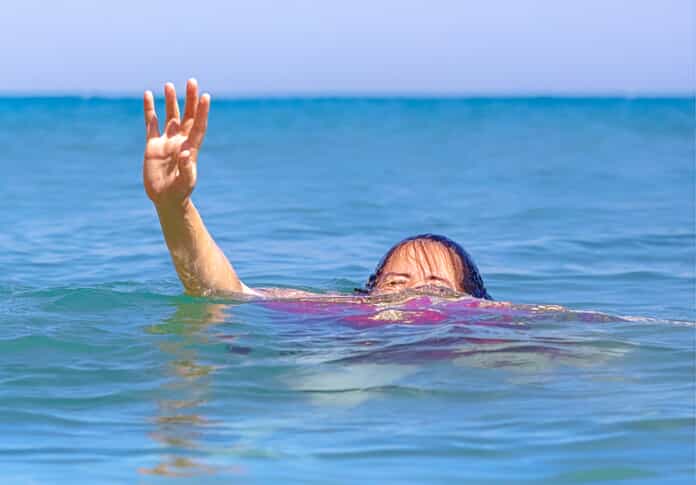
Beware of Boating Wake Zones
As most seasoned boaters know, a good day on the water is a safe day on the water. But when it comes to setting out for a day on the water or coming back to shore, all boaters face going through “no-wake zones.”
Boat wakes
Boat wakes are the v-shaped swell or “moving waves” that pass through the water off the back of a boat. While seemingly harmless, these waves can cause huge amounts of damage. As a boat owner, you are responsible for your wake and the damage it may cause.
By whizzing through posted “idle zones” or “no-wake zones” your boat’s wake could cause another smaller boat to swamp, cause someone on another boat to fall overboard, contribute to someone falling down companionway stairs, damage marinas, damage boats docked on the shoreline, or cause harmful erosion to the shoreline and much more.
Additionally, in Florida you could face serious legal consequences from the damages your wake causes. Boat owners not aware of their wake damage could face fines and lawsuits. State and Federal laws in Florida hold an operator responsible for damages or personal injury that their wake may produce.
If you or a loved one have been injured at the hand of another boat operator’s negligence, that operator may be held liable to pay for damages such as medical bills, lost wages, and pain and suffering.
No Wake Zones
These signs posted along the waterways marking a “no-wake zone” or “idle zone” designate areas where boat owners need to slow down to a speed that does not exceed 5 mph. At this slow, most times “idle” speed, your vessel doesn’t produce a damaging wake. For most boat owners, this means completely coming off plane when you enter a no-wake zone or anywhere where you could possibly compromise the safety of other boats.
Most common types of accidents caused by boat wake includes:
- Smaller boats could swamp
- Causes erosion or damage to shorelines and shoreline structures
- Injuries to skiers, divers, and swimmers
- Injuries to passengers on smaller boats, jet skis, kayaks, canoes or paddleboards that are not prepared for wakes and cause them to lose balance of fall either onboard or overboard
- Injuries to passengers on other larger boats could lose balance, thrown overboard or injured if tossed out of their seat when hit by a wake
Tips for operators to prevent boat wake accidents and injuries:
- Slow down – the earlier the better – since boat wakes can travel across canals and waterways, slowing down well before entering a no-wake zone, or when coming close to other boaters or structures will help minimize any potential damage.
- Trim up to cut your wake – some boaters upon entering a no-wake zone plow through with the stern down and the bow high up, but this only increases the wake. A neutral trip allows your boat to proceed with the smallest wake.
- Beware of shallow water – shallow water only leads to an increase wake size.
- Approach a wake at a slight angle rather than taking the wake head on. This will help keep passengers from falling overboard.
- Take care of older passengers. A study of insurance claims by BoatU.S. concluded that most personal injuries were to passengers and crew over the age of 50. Additionally, position older passengers away from the bow – which takes the majority of the hit when slamming into a wake.
If you or a loved one have been injured due to a boat wake accident, contemplate the following factors when considering operator negligence for a potential wake damage claim:
- Wake size
- Vessel speed and size
- Any potential visibility issues
- At the time of the accident, boat traffic within the area
- Did the operator warn passengers of a possible large wake approaching?
The attorneys at Zimmerman & Frachtman are skilled in maritime and admiralty law and can examine your case to determine your legal rights.
Contact Zimmerman & Frachtman today
If you or a loved one has been injured or died due to a boating accident or a personal watercraft accident and would like to learn more about your legal rights, please contact Zimmerman & Frachtman online or call (954) 504-6577 or toll free at (800) 886-LAWS.